

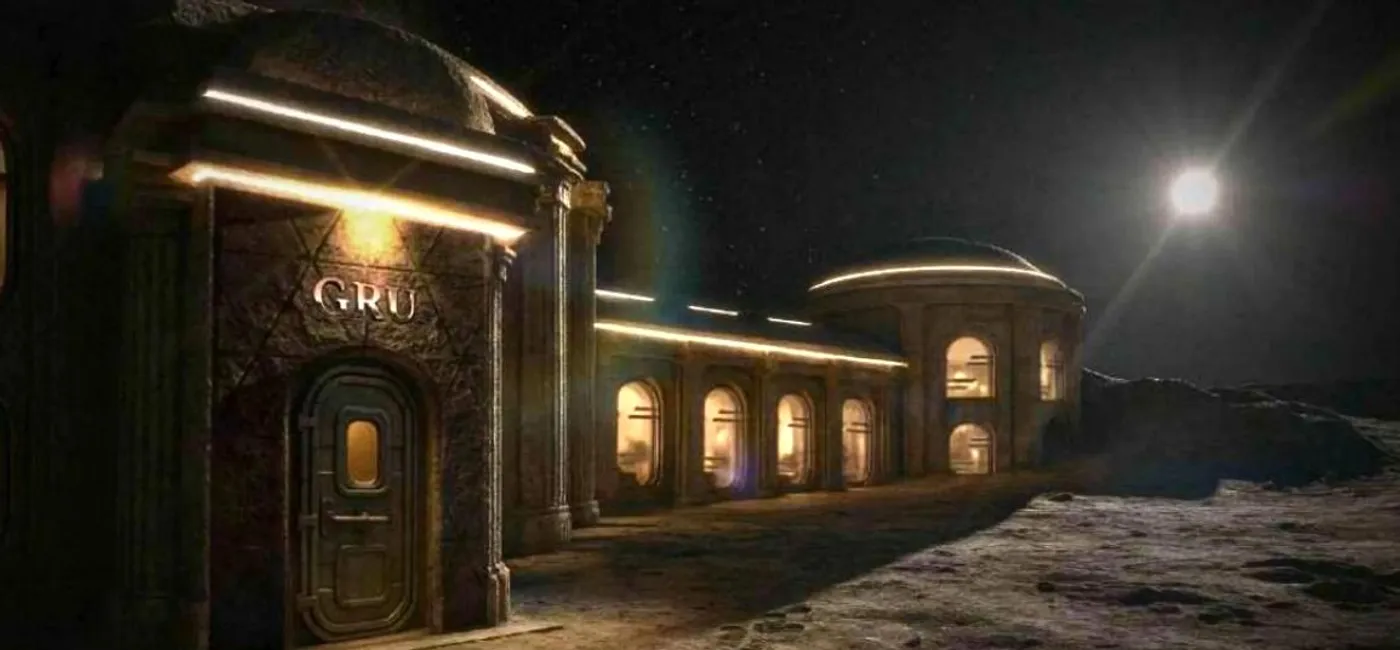
The first hotel on the Moon represents the new frontier of space tourism announced by the California-based startup GRU Space. The company, backed by the accelerator Y Combinator (Winter 2026 batch), has officially opened applications to stay on our satellite, requiring deposits reaching up to one million dollars. Skyler Chan, the 22-year-old founder, promises an extra-atmospheric experience with Earth views, marking a decisive step in the post-Artemis lunar economy. Fonte ufficiale GRU Space
Key Takeaways
- Timeline: Opening scheduled for 2032, with construction starting in 2029.
- Costs: Deposit between $250k and $1M; total cost estimated over $10 million.
- Technology: Inflatable modules protected by lunar regolith bricks.
The project of the first hotel on the Moon
GRU Space’s vision is not limited to simple accommodation but aims to establish the first permanent commercial structure beyond Earth’s orbit. The first hotel on the Moon will initially consist of inflatable habitat modules, transported from Earth and assembled on-site. To protect guests from cosmic radiation and micrometeorites, the startup will use proprietary ISRU (In-Situ Resource Utilization) technology to cover the modules with bricks made by compacting regolith, or lunar dust. Initial capacity will be limited to just four guests per mission.
Costs and roadmap of the space startup
Access to this exclusive experience is reserved for a select few. To secure a spot on the waitlist, aspiring tourists must pay a refundable deposit ranging from $250,000 to one million dollars, plus a $1,000 application fee. The technical roadmap includes a demonstration mission in 2029 to test pressurization systems, followed by foundation installation in 2031. If regulatory approvals follow the plans, the first customers will cross the structure’s threshold in 2032.
Safety in the first hotel on the Moon
Survival in a hostile environment is the absolute priority for realizing the first hotel on the Moon. Beyond the regolith shielding, life support systems must guarantee breathable air and controlled temperatures during the long lunar nights. GRU Space is collaborating with Tier-1 industrial partners to certify the safety of launch vehicles and habitat modules. The project fits into a broader context of lunar infrastructure, which also envisions future roads and warehouses to support a stable human presence.