


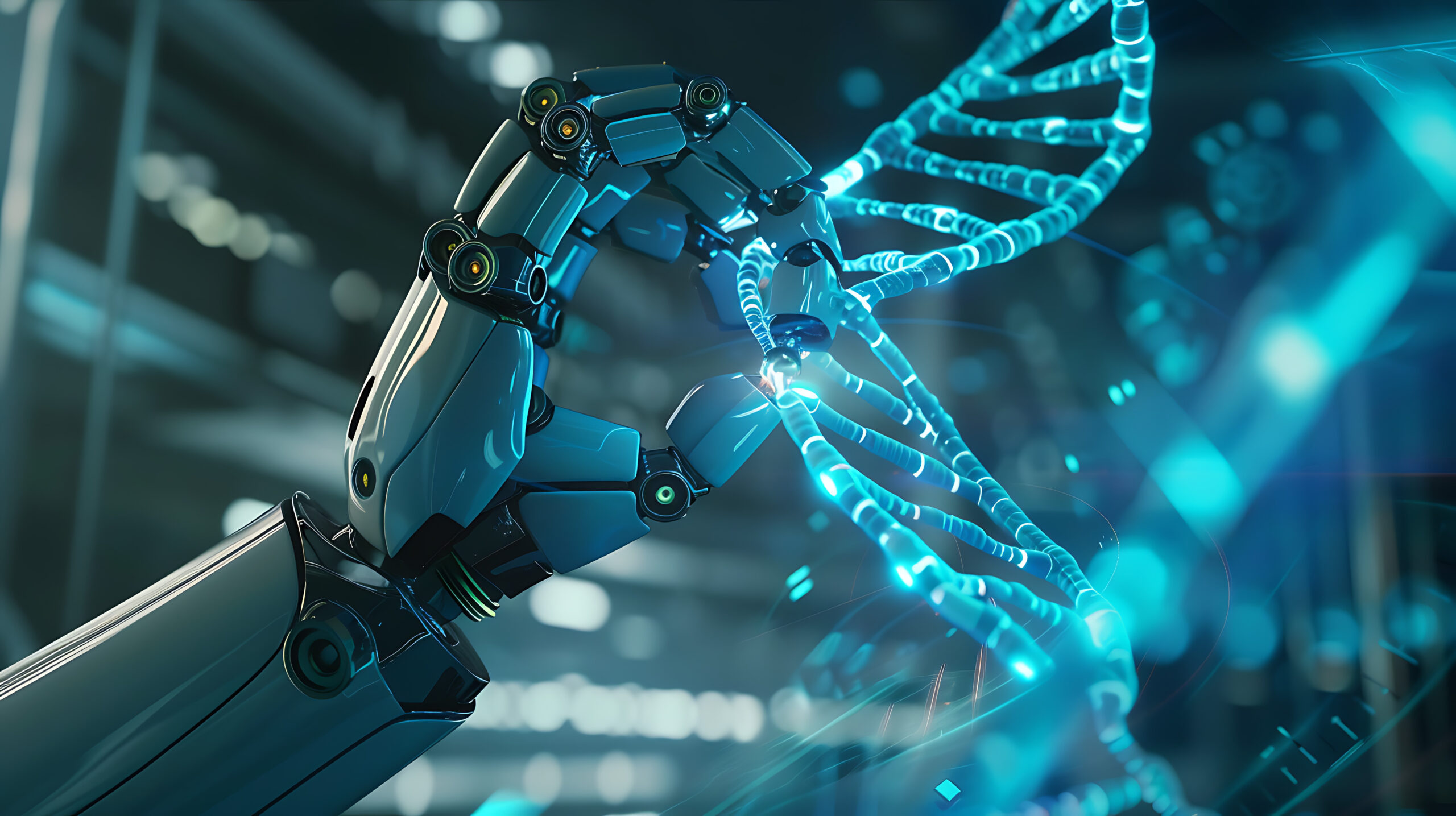
The IA e genoma umano (AI and the human genome) represent today the most advanced duo in modern biotechnology, allowing the decoding of genetic sequences with unprecedented speed. According to the latest studies published in Nature Genetics, the integration of large language models (LLMs) applied to biology has reduced the analysis time for genetic variants by 60%. This acceleration is crucial for identifying rare mutations that previously required years of computational research. [Official source : Nature Genetics]
Key Takeaways
- Genetic variant analysis accelerated by 60% thanks to Large Genomic Models.
- Early identification of rare mutations and prediction of gene expression.
- Application of generative models for synthetic DNA sequence design.
How AI and the human genome accelerate diagnosis
The synergistic use of IA e genoma umano allows researchers to process petabytes of genomic data in real time. New deep learning algorithms do not just read the genetic code; they can predict how specific mutations will affect a patient’s long-term health. This approach transforms genomics from a descriptive science into a purely predictive discipline.
Generative models applied to DNA
Beyond simple analysis, researchers are using artificial intelligence to simulate the impact of genetic modifications before they are even tested in vitro. The ability to generate synthetic models of DNA sequences helps to better understand non-coding regions of the genome, which were previously labeled as “junk DNA” but are now proving crucial for cellular regulation.
Ethical challenges between AI and the human genome
Despite progress, the relationship between AI and the human genome raises sensitive issues regarding the privacy of biological data. Protecting genetic information, processed by decentralized servers, requires new cryptographic security protocols. Regulators are currently working on guidelines to ensure that access to these technologies remains fair and non-discriminatory.